
Dry needling and its role in managing migraine headaches
Migraines may be debilitating with severe, throbbing pain, and are often accompanied by other symptoms (such as nausea, vomiting, sensitivity to light and sound, an ‘aura’, and fatigue). Some people find that they have to lock themselves away in a dark room until symptoms have passed.
If you suffer from migraines, it may be helpful to have multiple treatment options at your disposal. While medications may be helpful when it comes to relieving the pain and discomfort caused by headaches, they aren’t always helpful for everybody. In many cases, it may be a good idea to explore alternative treatments, like dry needling.
While research is fairly limited at present, several studies have found that dry needling may be useful in addressing headache and migraine symptoms. Let’s take a closer look.
The passionate team at The Whole Body Clinic provides a holistic, individualised approach in an effort to get each patient back to their best. Our practitioners use dry needling to address a variety of ailments, including headaches and migraines. Contact us today for more information.
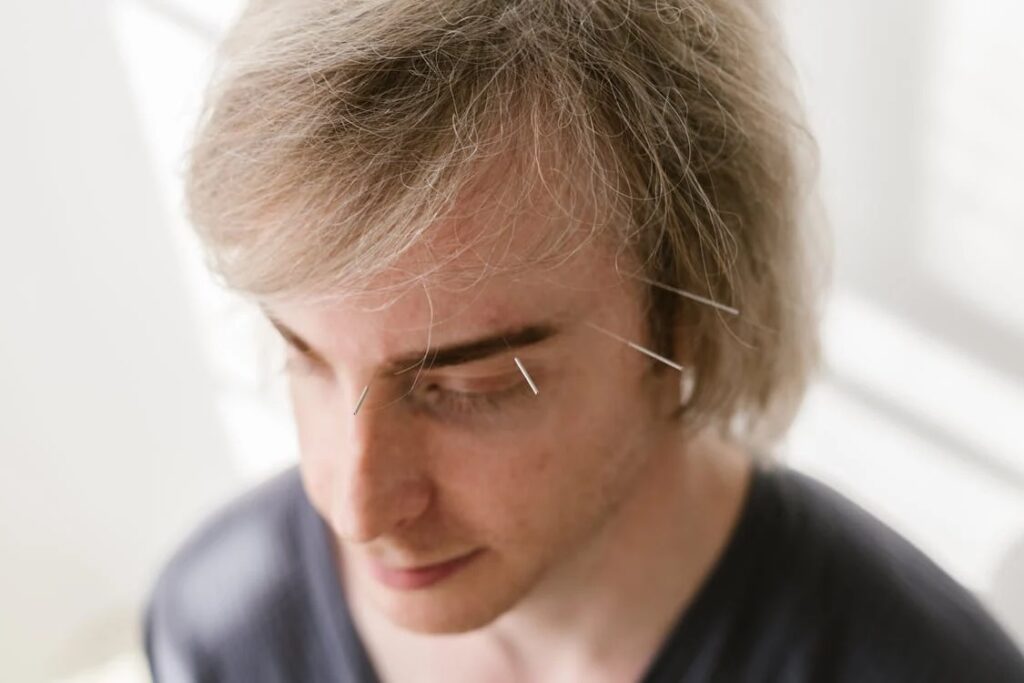
Dry needling vs. acupuncture
While dry needling and acupuncture are similar in that they both use needles to stimulate various trigger points around the body, there are some differences:
- Dry needling is a newer form of alternative medicine that primarily aims to target muscle pain.
- Acupuncture is a traditional Chinese medicine with a long history that aims to target many concerns, from pain to allergies.
How does dry needling work?
This alternative medicine involves a practitioner inserting thin, sterile needles into specific muscle trigger points or soft tissue in different areas of the body.
When used as a migraine headache treatment, the focus is on releasing muscle tension in the head, neck, and upper back areas in an effort to reduce pain intensity. The depth of the needle insertion may be altered to potentially better stimulate the tissue or target trigger points.
Needle insertion is said to cause an involuntary twitch of the trigger point, which is believed to help relax it by altering the perceived pain sensation and reducing inflammatory chemicals.
At The Whole Body Clinic, our osteopaths typically use dry needling in conjunction with other hands-on treatment techniques to potentially improve recovery.
Are there any risks to dry needling?
While dry needling is broadly considered a relatively safe treatment, some patients may experience minor negative side effects such as bruising, bleeding, and short-term pain during and/or after the procedure. Those with a fear of needles or injections may also experience nausea and fainting.
Major negative side effects are very rare but may include infection, injury to blood vessels or nerves, injury to the spinal cord or internal organs, and damage to implanted devices.
Who is dry needling not suitable for?
Dry needling may not be suitable for people:
- Under the age of 12
- In the first trimester of pregnancy
- With a local or widespread infection
- With swelling in the treatment area
- Who have vascular disease
- Who have a compromised immune system
- Who have a needle phobia
You should always consult your doctor before receiving dry needling treatment to ensure that you are a suitable candidate.
Dry needling as migraine headache treatment
Some studies have shown that dry needling may have similar benefits to acupuncture for managing the symptoms of migraine headaches. It may assist in reducing intensity, frequency, and duration in people who chronically experience these types of headaches.
When will I see results?
According to research, many people experience a significant reduction in migraine symptoms immediately after treatment. With regular sessions, some people may also find an improvement in headache intensity, frequency, and duration in the two weeks following treatment.
Dry needling as migraine headache prevention
While there’s not currently enough research to say that dry needling may prevent migraine headaches entirely, there is a suggestion that it may reduce their frequency.
If you live with chronic migraines, some other steps that you may take in an effort to help prevent them include:
- Learning what your migraine triggers are and avoiding them wherever possible
- Ensuring that you eat and drink enough throughout the day
- Moving your body regularly and getting enough sleep
- Finding ways to reduce stress and prioritise self-care
- Exploring different options for preventing episodes (including dry needling)
Explore dry needling for migraine headaches today
If you regularly experience migraine headaches and are looking for an alternative treatment solution (to use in conjunction with traditional treatments or because traditional methods are no longer working), you may wish to explore dry needling.
To discuss your migraine symptoms in more detail and determine whether you may be a candidate for dry needling, make an appointment with one of the skilled osteopaths at The Whole Body Clinic in Mount Gravatt or Browns Plains today. We can create an individualised treatment plan that aims to help you find relief.